


Energy-Saving Upgrades to Consider Before Snow Arrives in La Crosse, WI
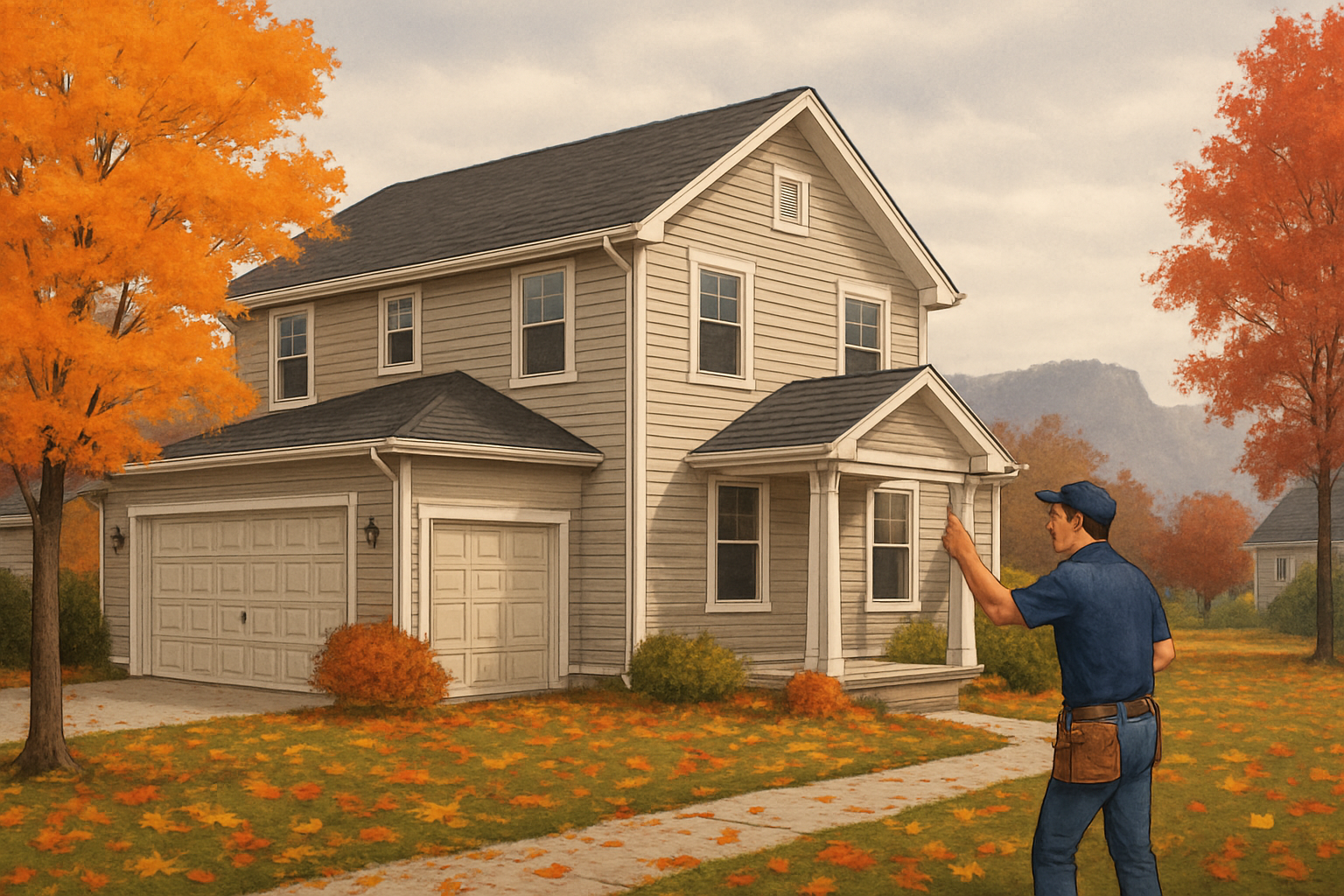
October in La Crosse has a way of reminding us that winter is right around the corner. One week we’re enjoying crisp afternoons along the Mississippi, and the next we’re waking up to frosty lawns, cold winds, and the first hard freeze of the season. Before snow piles up and temperatures settle into the 20s, now is the right time to look at your home’s energy efficiency.
As the owner of Dimensional Contractors here in La Crosse, WI, I know how much local homeowners rely on their homes to stay warm, comfortable, and protected through our long Wisconsin winters. Energy-saving upgrades completed in October can help reduce heating bills, prevent drafts, protect your home from moisture, and make winter living much more comfortable.
Key Takeaways:
- October is the ideal time in La Crosse to complete energy-saving exterior and insulation upgrades before snow and ice arrive.
- Air leaks around windows, doors, attics, siding, and foundations can significantly increase winter heating costs.
- Upgrades like attic insulation, air sealing, window improvements, and exterior repairs can improve comfort and efficiency.
- Working with a local contractor ensures your home is prepared for La Crosse’s freeze-thaw cycles, wind, snow, and moisture.
Why October Is the Right Time to Prepare Your Home
In La Crosse, October is more than just pumpkin patches and changing leaves. It is a critical transition month for homeowners. Temperatures can swing quickly, and once November arrives, exterior work becomes more challenging due to freezing conditions, shorter days, and early snowfall.
By taking care of energy-saving upgrades before winter, you can avoid emergency repairs, reduce heat loss, and make sure your home is sealed up before your furnace starts working overtime. Small problems that seem minor in October can become expensive headaches by January.
Common cold-weather problems we see in homes around La Crosse include:
- Drafty windows and doors
- Cold rooms or uneven heating
- Ice dams caused by poor attic insulation or ventilation
- Cracked or failing exterior caulk
- Gaps around siding, trim, and foundations
- Moisture intrusion from damaged exterior materials
Start with Air Sealing Around Windows and Doors
One of the most cost-effective energy-saving improvements is sealing air leaks. Even newer homes can lose a surprising amount of heat through small gaps around windows, doors, trim, and utility penetrations.
During October, homeowners often begin to notice drafts near windows in the evening or cold air creeping in around exterior doors. These leaks may not seem serious, but they force your heating system to run longer and more often.
Air sealing may include replacing worn weatherstripping, applying high-quality exterior caulk, adjusting doors, sealing gaps around trim, and identifying hidden leak points. A proper inspection can help determine whether simple repairs will solve the issue or whether a window or door replacement may be a better long-term investment.
“We thought our upstairs bedrooms were just always going to be cold in the winter. After Dimensional Contractors sealed several problem areas and improved insulation, the difference was noticeable right away.”
— Local homeowner in La Crosse, WI
Upgrade Attic Insulation Before Ice Dam Season
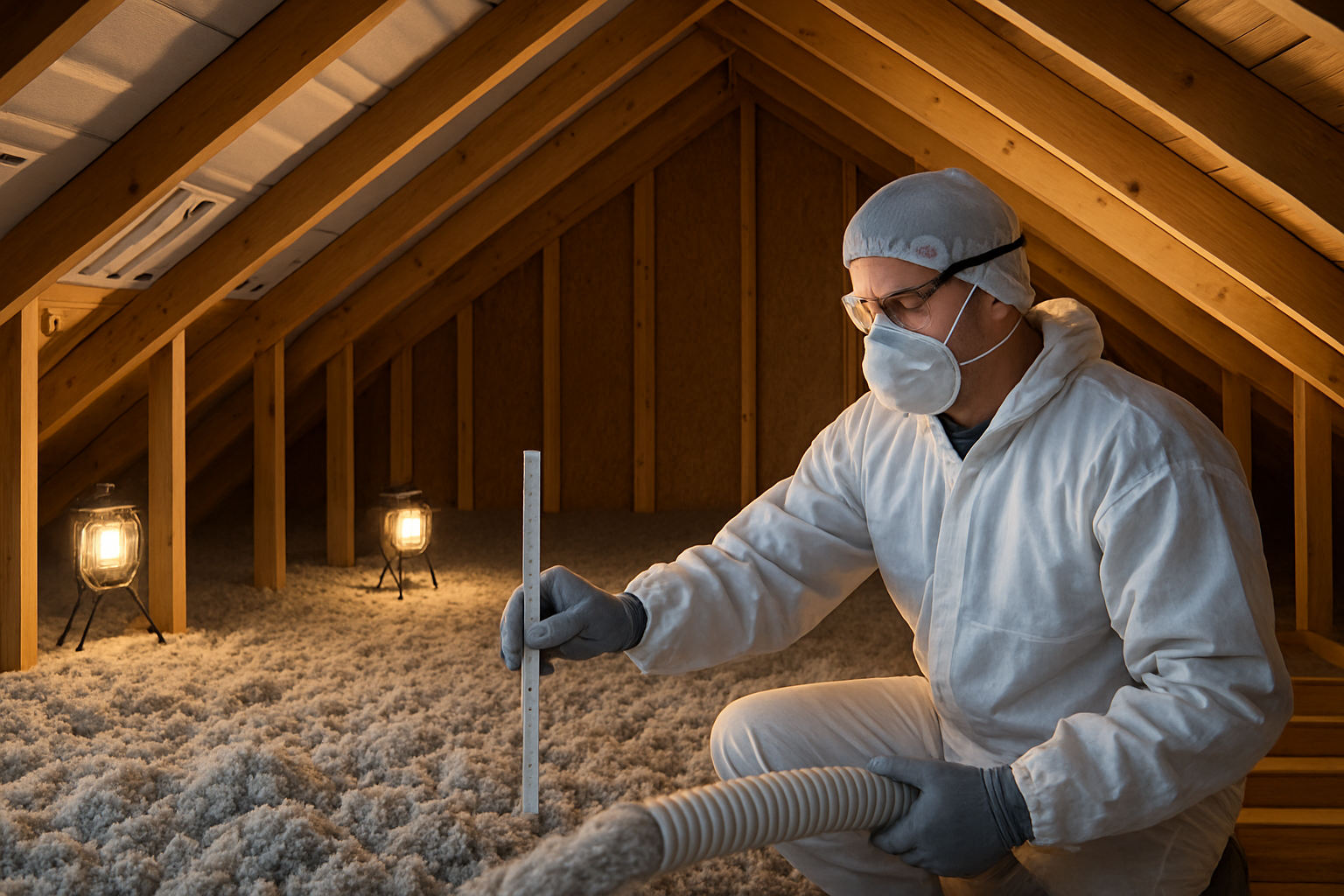
If there is one upgrade La Crosse homeowners should seriously consider before snow arrives, it is attic insulation. Heat rises, and without enough insulation, warm air escapes into the attic. That heat can melt snow on the roof, which then refreezes at the edges and creates ice dams.
Ice dams are more than an inconvenience. They can damage shingles, gutters, soffits, fascia, insulation, drywall, and interior finishes. Many ice dam problems begin with poor air sealing and inadequate attic insulation.
Signs your attic may need attention include:
- High winter heating bills
- Icicles forming along roof edges
- Uneven snow melt on the roof
- Cold ceilings or upper-level rooms
- Drafts near ceiling fixtures or attic access points
- Past moisture stains on ceilings or walls
Improving attic insulation and ventilation before snow arrives can help your home hold heat more effectively while reducing the risk of winter moisture problems. This is especially important for older homes throughout La Crosse neighborhoods where insulation levels may no longer meet today’s efficiency expectations.
Evaluate Your Windows Before the Deep Freeze
Windows play a major role in winter comfort. If your windows are older, difficult to close, fogging between panes, or allowing drafts, they may be costing you money every month during heating season.
In some cases, sealing and weatherstripping can improve performance. In other cases, replacement windows may be the smarter option, especially if frames are damaged, glass seals have failed, or the windows no longer operate properly.
Energy-efficient windows can help reduce heat loss, improve indoor comfort, reduce condensation, and give your home an updated appearance. October is a practical time to inspect windows because you can still complete exterior work before severe cold weather sets in.
Do Not Ignore Siding, Trim, and Exterior Gaps
Your siding is your home’s first line of defense against wind, snow, ice, and moisture. Loose siding panels, cracked trim, open seams, and deteriorated caulk can all allow cold air and moisture to enter your home’s building envelope.
La Crosse homes experience tough freeze-thaw cycles. Water can enter small gaps, freeze, expand, and make damage worse over time. Addressing these issues in October can help prevent winter deterioration and protect your home’s structure.
Exterior upgrades to consider before snow include:
- Repairing loose or damaged siding
- Replacing cracked trim boards
- Sealing gaps around penetrations and exterior fixtures
- Inspecting soffit and fascia for damage
- Checking areas around decks, porches, and additions
- Making sure gutters and downspouts direct water away from the home
Even small exterior repairs can make a meaningful difference in energy performance, especially when combined with insulation and air sealing improvements.
Check Gutters and Roof Edges Before Snowfall
Gutters may not seem like an energy-saving feature, but they play an important role in protecting your home through winter. Clogged or damaged gutters can contribute to ice buildup, roof edge problems, basement moisture, and siding damage.
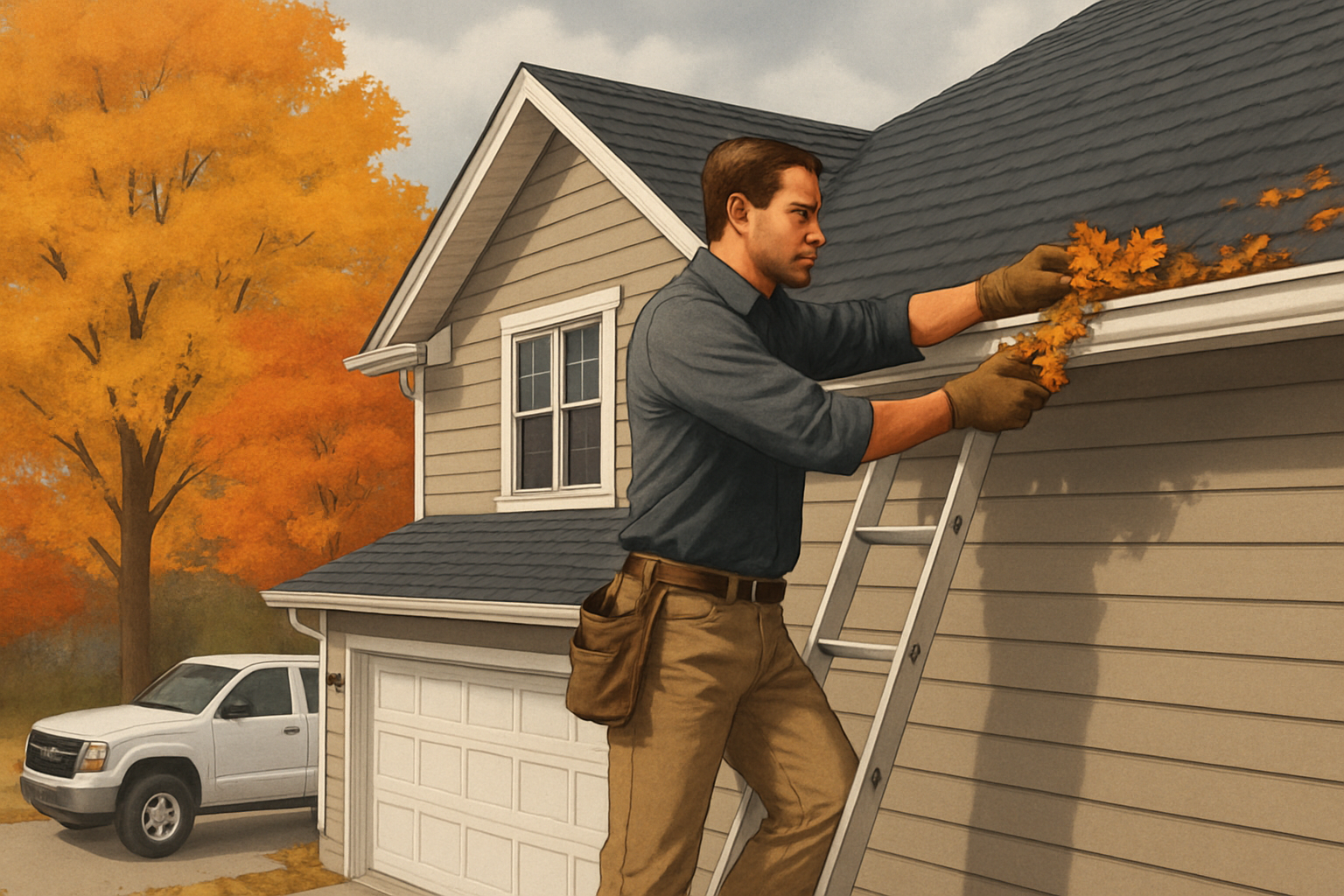
In October, leaves from La Crosse’s beautiful fall canopy can quickly fill gutters. Once freezing temperatures arrive, clogged gutters can turn into heavy blocks of ice. That extra weight can pull gutters away from the home and allow water to back up where it does not belong.
Before winter, make sure gutters are clean, secure, and draining properly. Also check roof edges, fascia, and soffits for signs of damage. When these components work together correctly, your home is better protected against winter moisture and heat-loss issues.
Why Choose Dimensional Contractors?
When you hire a contractor to improve your home before winter, you are trusting them with your comfort, your investment, and your peace of mind. At Dimensional Contractors, we understand the unique challenges homes face here in La Crosse and the surrounding Coulee Region.
We are not a storm-chasing company or a one-size-fits-all contractor. We live and work in this area, and we know what Wisconsin winters can do to a home. Our approach is practical, honest, and focused on long-term results.
Homeowners choose Dimensional Contractors because we offer:
- Local experience with La Crosse weather conditions
- Careful inspections and straightforward recommendations
- Quality workmanship designed for long-term performance
- Clear communication from start to finish
- Solutions that improve comfort, protection, and efficiency
- A commitment to treating every home with respect
We believe the best projects start with listening. Some homes need a full upgrade, while others simply need targeted repairs to make a big improvement. Our goal is to help you make informed decisions that fit your home, your budget, and your winter priorities.
Schedule Your Fall Home Efficiency Check
Snow may not be here yet, but in La Crosse, we know it is coming. October is your window of opportunity to seal drafts, improve insulation, repair exterior problem areas, and prepare your home for months of cold weather.
If your home felt drafty last winter, if your heating bills seemed too high, or if you noticed ice dams, cold rooms, or moisture issues, now is the time to act. A few smart upgrades before winter can make your home more comfortable, efficient, and protected.
Contact Dimensional Contractors today to schedule your fall home efficiency inspection. We would be happy to take a look, answer your questions, and help you decide which energy-saving upgrades make the most sense before the snow arrives.
